

Primary bone cancer
Information and support for children, young people and families.
Being told your child has cancer can feel overwhelming. This page provides simple information about primary bone cancer, along with guidance and support to help you through this time.
Get supportWhat is primary bone cancer?
Primary bone cancer is a rare type of cancer that starts in the bone. It is sometimes referred to as a bone sarcoma.
Sarcoma is a type of cancer that develops in the body’s connective tissues, which include bones, cartilage, muscle and fat.
Primary bone cancer can develop in any bone in the body, but it most commonly affects the lower limbs, particularly the thigh bone (femur) and shin bone (tibia). It can also occur in the pelvis (hip area) and the bones of the upper limbs, such as the upper arm (humerus).
The most common types are:
- Osteosarcoma
- Ewing sarcoma
- Chondrosarcoma
- Chordoma
Every year, around 560 people in the UK will be told they have a primary bone cancer.
This is the same as around 10 people each week.
Who primary bone cancer affects
Primary bone cancer can affect people of all ages, but it is often seen in people who are aged 10-25 years old and over 50 years old.
Males are at a slightly higher risk than females of developing some types of primary bone cancer.
Signs and symptoms
Symptoms of primary bone cancer can vary and are often mistaken for common conditions like sports injuries or growing pains. Common signs include:
Persistent or worsening bone pain
Especially at night
Swelling or tenderness
near the affected bone, frequently worsening at night or during activity
Reduced movement
or stiffness
Limping or difficulty
using a limb
Tiredness
or general unwellness
These symptoms can have many different causes, and in most cases will not be cancer.
However, if you are concerned or symptoms continue, it’s important to speak to a GP or healthcare professional.
How is Primary Bone Cancer Diagnosed?
Primary bone cancer is rare and often misdiagnosed as other conditions e.g sports injuries, growing pains or arthritis. Increased awareness of primary bone cancer amongst GPs, healthcare professionals and patients, is key to earlier diagnosis and improved outcomes.
As primary bone cancers are rare and many GPs may never have seen a case before, it is quite common for patients to visit their GP 3 or 4 times before receiving a referral. This may also mean a referral is sometimes made by Accident & Emergency Departments or another health professional.
Seeing a GP
Most people first visit their GP, A&E, or physiotherapist with symptoms such as ongoing pain or swelling. The GP may:
- Carry out a physical examination
- Arrange initial tests, such as an X-ray or blood tests
- Refer you to a specialist if needed
Tests and Scans
If further investigation is needed, specialists may use a range of tests to get a clearer picture:
- X-rays: to look for changes in the bone
- MRI scans: to show detailed images of bone and surrounding tissue
- CT scans: to check if the cancer has spread
Biopsy (Confirmation)
The only way to confirm primary bone cancer is through a biopsy. This involves taking a small sample of bone tissue and examining it under a microscope to determine whether cancer is present and exactly what type it is.
Specialist care
Because primary bone cancer is rare, diagnosis and treatment usually take place in specialist bone cancer centres.
You may need to travel to a specialist hospital where experienced teams can provide the most appropriate care and support.
Reassurance
Waiting for tests and results can feel overwhelming. Every family’s journey is different, but specialist teams are there to guide you through each step and support is available throughout the process.
Support for families
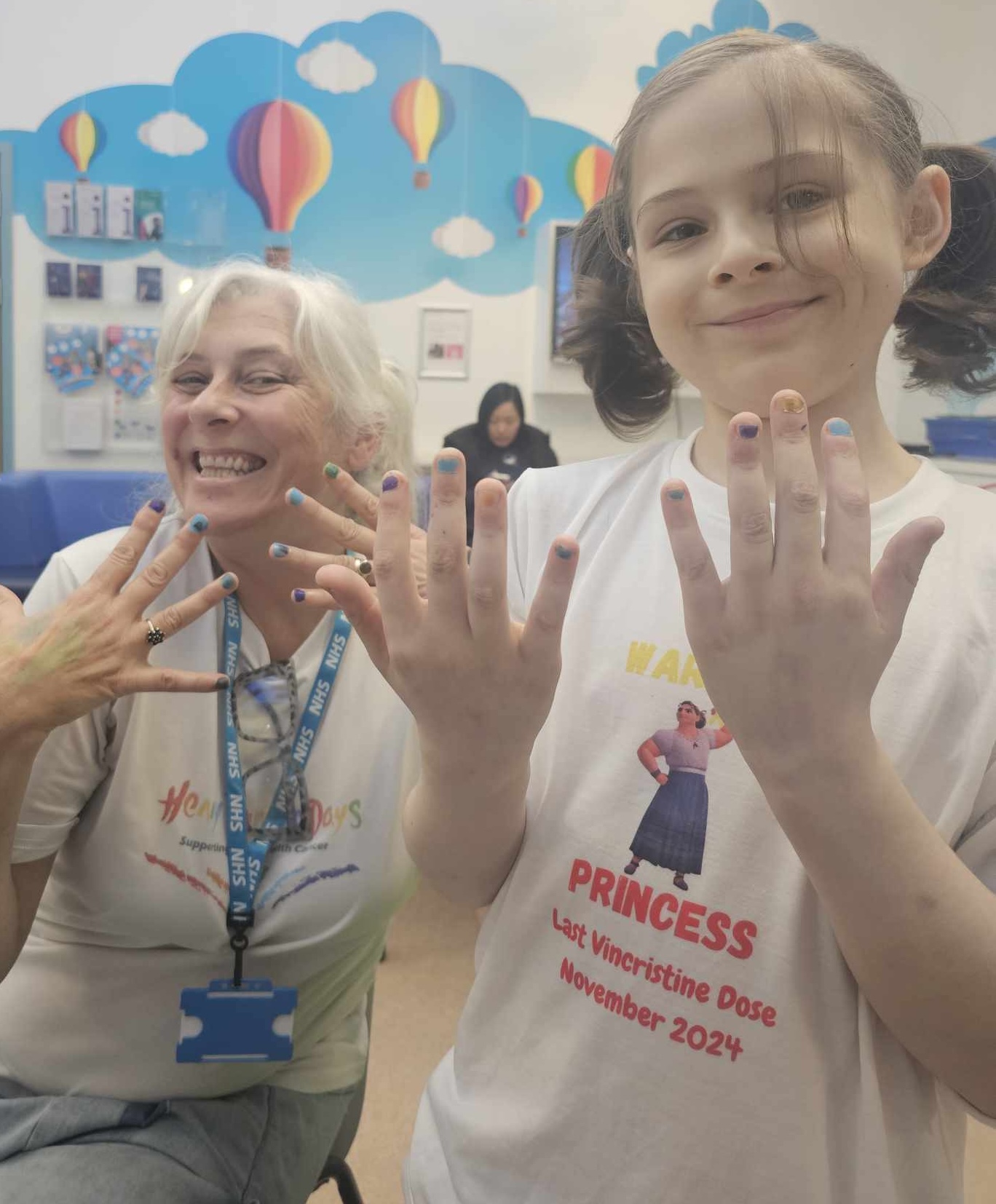
A cancer diagnosis affects the whole family emotionally, physically and financially. Henry Dancer Days is here to support you by providing:
Financial help
through our Hardship Support Scheme
Storytelling sessions
to support wellbeing
Creative projects
that bring comfort and distraction
There are other organisations that can help you understand primary bone cancer and access support.
You are not alone
Every family’s journey is different, but support is available at every stage.
Henry Dancer Days exists to help children and families feel supported, informed and less alone during some of the most difficult moments of cancer treatment.
Need support?
If you or someone you know could benefit from support, we are here to help.